


April in Paris

Updated: Feb 4, 2025

Exploring the Timeless Allure of "April in Paris"
In the world of music, specific compositions transcend their time and place, captivating audiences across generations with their enduring charm and universal appeal. One such masterpiece is "April in Paris," a song that has become synonymous with romance, nostalgia, and the eternal allure of the City of Light.
Born amidst the hardships of the Great Depression, this enchanting melody has captured the imagination of listeners for nearly a century, its complex origins and poignant lyrics serving as a testament to the resilience of the human spirit and the transformative power of music.
Origins and Composition
The tale of "April in Paris" commences with the collaboration between composer Vernon Duke and lyricist Yip Harburg, two artists whose immigrant backgrounds and mutual love for music would profoundly influence American popular culture. Duke, originally Vladimir Alexandrovich Dukelsky from Russia, fled his homeland during the upheaval of the Bolshevik Revolution, seeking refuge and creative liberty in the bustling cultural milieu of New York City. Conversely, Harburg hailed from New York, with Russian Orthodox heritage, and his gift for poetry and wit later earned him recognition as one of his generation's premier lyricists.
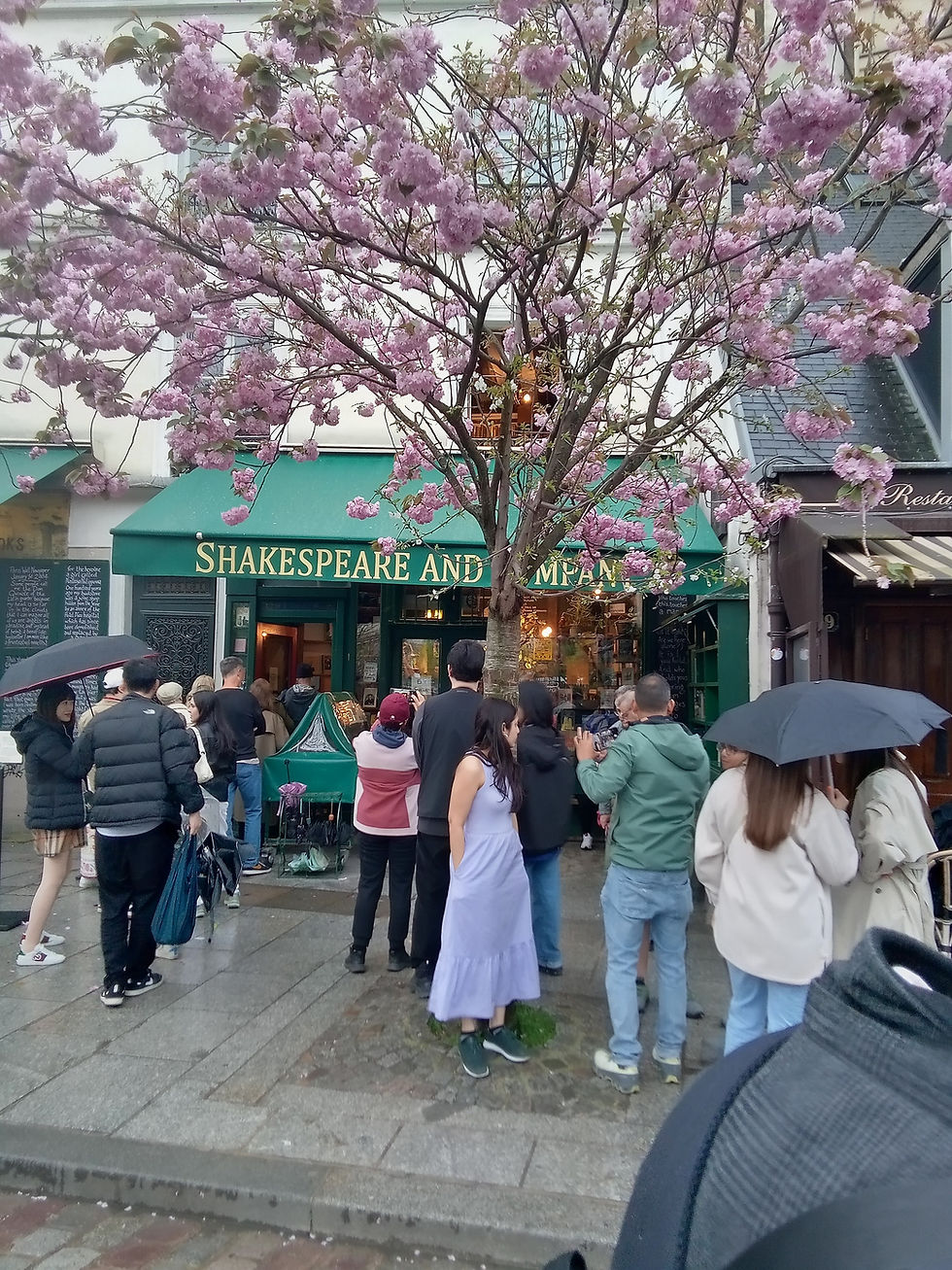
Their paths converged in the world of musical theatre, where they shared a vision of crafting works that authentically reflected the human experience. In 1933, Duke and Harburg united their talents for the musical revue "Walk a Little Faster," a bold endeavor amidst the economic struggles of the Great Depression. Despite initial skepticism from critics, the revue featured a number that would ascend to become one of America's most cherished musical standards: "April in Paris."
The song quickly endeared itself to audiences, laying the groundwork for its enduring legacy.
In 1952, "April in Paris" underwent a transformation with its cinematic adaptation, fittingly titled "April in Paris." Directed by David Butler and starring Doris Day and Ray Bolger, this American musical romantic comedy brought the song's enchanting melody and romantic imagery to life on the silver screen. Set against the backdrop of Paris, the film follows the escapades of a secretary (portrayed by Day) who wins a trip to France and becomes entangled in a series of comedic mishaps and romantic dalliances.
With its infectious tunes, lively choreography, and captivating performances, "April in Paris" the movie further solidified the enduring charm of the song, securing its status as a cultural cornerstone for generations to come.
Whether experienced through the original composition's poignant lyrics and melody or the film's visual splendor, "April in Paris" continues to conjure the enchantment and romance of springtime in the City of Light, ensnaring audiences with its timeless allure.

Musical Legacy
Since its debut in 1933, "April in Paris" has been recorded and performed by various artists spanning multiple genres. From jazz legends like Count Basie and Ella Fitzgerald to crooners like Frank Sinatra and Tony Bennett, each rendition uniquely interprets the song's evocative lyrics and melody.
Count Basie's 1955 recording, featuring an arrangement by Wild Bill Davis, remains one of the most iconic versions of "April in Paris." With its dynamic instrumentation and spirited improvisation, Basie's rendition captures the essence of the song's joyful exuberance, earning a place in the Grammy Hall of Fame. Other notable interpretations include Ella Fitzgerald's soulful rendition and Frank Sinatra's smooth crooning, each adding distinct flavor to the timeless melody.
Cultural Significance
Beyond its musical influence, "April in Paris" has left an indelible mark on popular culture, appearing in films, television shows, and even cartoons. Its inclusion in the 1952 Doris Day film of the same name further solidified its status as a cultural touchstone, while appearances in everything from "Blazing Saddles" to "Grand Theft Auto IV" underscore its enduring relevance in the collective consciousness.

Moreover, "April in Paris" has been interpreted by various artists across genres and generations. From jazz legends like Ella Fitzgerald and Sarah Vaughan to crooners like Frank Sinatra and Tony Bennett, each rendition offers a unique perspective on the song's evocative lyrics and melody, ensuring its continued resonance with audiences of all ages.
The Influence of "April in Paris" Across Mediums
Beyond its musical and cultural impact, "April in Paris" has left an indelible mark on various artistic mediums. From film and television to literature and visual art, the song's evocative imagery and universal themes have inspired countless creators to explore the essence of springtime romance and the allure of the French capital.
In cinema, "April in Paris" has been featured in diverse films, both as a central motif and as a background accompaniment. Its inclusion in movies like "April in Paris" (1952), "Blazing Saddles" (1974), and "Funny Face" (1957) underscores its versatility as a musical backdrop for tales of love, adventure, and whimsy. Whether set against a bustling city street or a moonlit Parisian soirée, the song's melodic refrain evokes a longing and nostalgia that resonates with audiences of all ages.

In literature, "April in Paris" has been referenced in works ranging from classic novels to contemporary poetry. Writers like F. Scott Fitzgerald, Ernest Hemingway, and Sylvia Plath have alluded to the song in their writings, using its imagery as a metaphor for the fleeting nature of love and the transient beauty of springtime. Their prose captures the essence of "April in Paris" as a symbol of hope, renewal, and the eternal quest for romantic fulfillment.
Visual artists, too, have drawn inspiration from "April in Paris" in their paintings, photographs, and sculptures. From the Impressionist masterpieces of Claude Monet to the contemporary works of artists like Marc Chagall and Joan Miró, Paris has served as a muse for generations of creators seeking to capture its timeless beauty and romantic allure. Their art pays homage to the city's rich cultural heritage and enduring status as a beacon of artistic inspiration.

The Eternal Allure of Paris
At its core, "April in Paris" is more than just a song—it is a celebration of the timeless allure of the City of Light. With its romantic boulevards, charming cafes, and iconic landmarks, Paris has long been a muse for artists, writers, and musicians seeking inspiration. Through its evocative lyrics and haunting melody, "April in Paris" transports listeners to a world where anything is possible and love blooms eternal.
"April in Paris" is a timeless masterpiece that continues to captivate and inspire audiences worldwide. From its humble beginnings amid the Great Depression to its enduring popularity across generations, the song serves as a reminder of the enduring power of music to uplift, inspire, and unite us in a shared appreciation for beauty, romance, and the eternal quest for love. As we celebrate the legacy of "April in Paris" this Jazz Appreciation Month, let us take a moment to savor the beauty and brilliance of this timeless classic and revel in the magic of a bygone era.

The song
April in Paris, chestnuts in blossom
Holiday tables under the trees
April in Paris, this is a feeling
No one can ever reprise
I never knew the charm of spring
Never met it face to face
I never new my heart could sing
Never missed a warm embrace
Till April in Paris
Whom can I run to?
What have you done to my heart?
I never knew the charm of spring
Never met it face to face
I never knew my heart could sing
I never missed a warm embrace
Till April in Paris
Whom can I run to?
What have you done to my heart?
Source : LyricFind
Paroliers : E. Y. Harburg / Vernon Duke
Paroles de April In Paris © Music Sales Corporation, Tratore, Warner Chappell Music, Inc



Comments